
Watching a parent or loved one get older can bring difficult questions. Maybe Mom has started forgetting her medications. Dad has fallen more than once. Meals aren’t being prepared regularly, the house is becoming harder to manage, or you’re spending more and more time making sure everything is okay.
At some point, many families begin asking:
How do I know when it’s time for an adult family home?
There isn’t one single moment that tells every family it’s time. Instead, it’s often a combination of changes in safety, health, daily living, and the amount of care a loved one needs.
Understanding the signs can help you make a thoughtful decision before a crisis makes the decision for you.
7 Signs It May Be Time to Consider an Adult Family Home
1. Living Alone Is Becoming Unsafe
Safety is one of the biggest reasons families begin considering additional care.
You may notice:
Frequent falls or near-falls
Leaving appliances on
Wandering or becoming confused
Difficulty getting in and out of bed safely
Trouble navigating stairs
Forgetting to lock doors
Driving when it is no longer safe
One incident doesn’t necessarily mean someone needs to move. But repeated safety concerns can be a sign that living independently is becoming difficult.
2. Everyday Tasks Are Becoming Difficult
Pay attention to what are often called activities of daily living (ADLs) — basic tasks people need to complete to care for themselves.
These include things like bathing, dressing, eating, toileting, transferring, and personal hygiene.
If your loved one increasingly needs help with several of these activities, it may be time to consider a living environment where support is consistently available.
3. Medications Are Being Missed or Taken Incorrectly
Medication management can become complicated, particularly when someone takes several prescriptions.
Warning signs might include missed doses, accidentally taking medication twice, confusion about prescriptions, or medications that aren’t being refilled.
These mistakes can become serious quickly.
If family members are constantly checking pill organizers, making reminder calls, or worrying about whether medications were taken correctly, your loved one may benefit from additional support.
4. Nutrition or Personal Care Is Declining
Sometimes the changes are subtle.
You might notice an increasingly empty refrigerator, expired food, unexplained weight loss, skipped meals, the same clothes being worn repeatedly, or less attention to bathing and grooming.
These changes don’t necessarily mean someone is unable to live independently, but they can indicate that everyday responsibilities are becoming harder to manage.
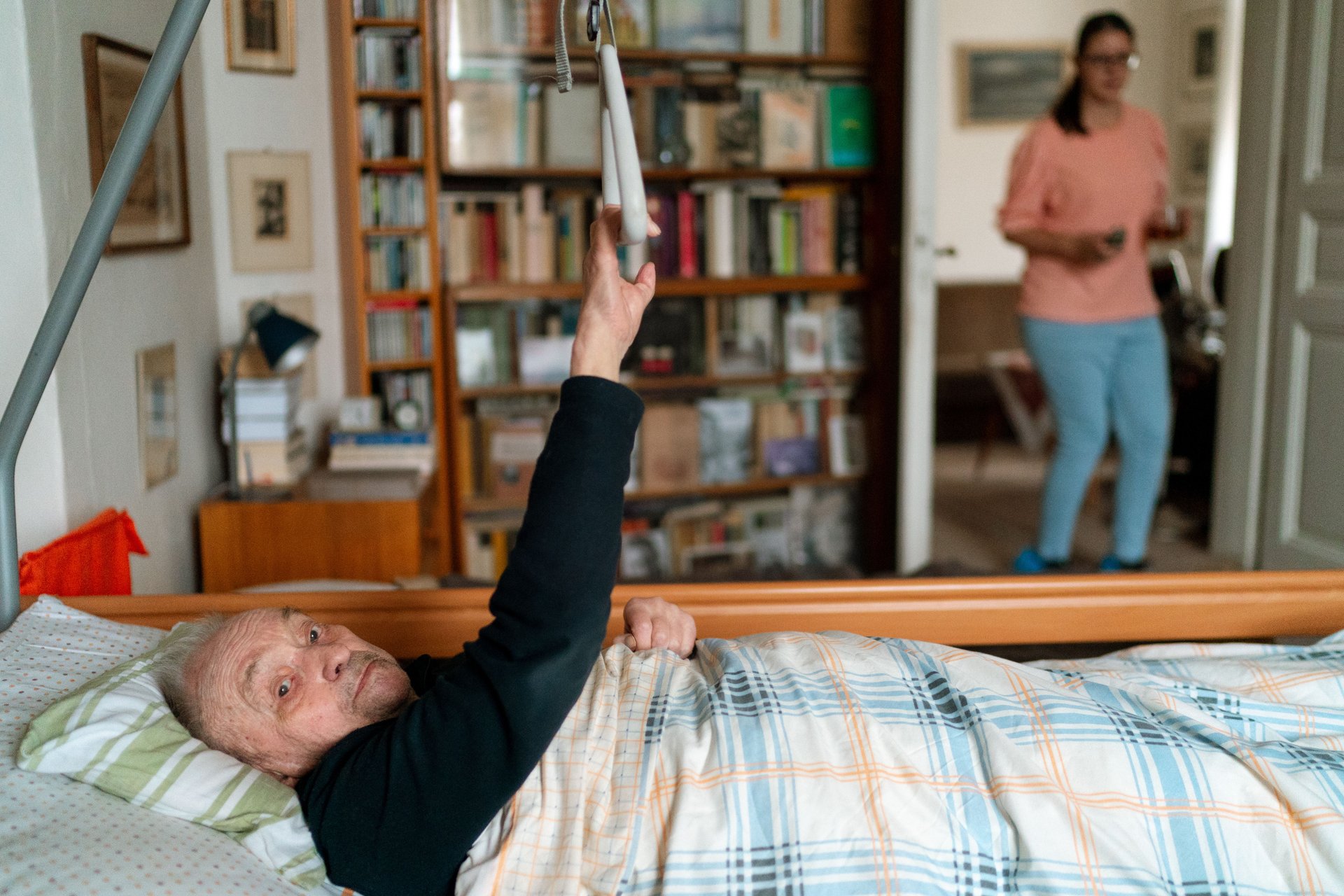
5. Your Loved One Needs More Care Than the Family Can Realistically Provide
This can be one of the hardest signs to acknowledge.
Many adult children are simultaneously raising children, working, maintaining their own homes, and helping aging parents.
At first, helping might mean grocery shopping or driving Mom to an appointment.
Eventually, it can become medication reminders, meals, bathing, nighttime calls, doctor visits, cleaning, transportation, fall prevention, and frequent check-ins.
The question isn’t simply:
“Can we keep doing this?”
A better question may be:
“Is this still the safest and most sustainable way to provide the care they need?”
Needing additional support doesn’t diminish the role of family. It can allow family members to spend more time being a daughter, son, spouse, sibling, or grandchild instead of trying to manage every aspect of caregiving alone.
Love isn't the problem... capacity is.
Sometimes their care needs become more than one person can safely provide.
6. Isolation Is Becoming a Concern
Physical care isn’t the only consideration.
Someone may technically be capable of living alone but spend most days without meaningful interaction.
Changes in mobility, driving ability, hearing, vision, or the loss of a spouse and friends can gradually make someone’s world smaller.
A smaller residential care setting may provide opportunities for regular interaction, shared meals, activities, and companionship while still offering a home-like environment.

7. You’re Waiting for Something Bad to Happen
Sometimes families already know the current situation isn’t working.
They simply aren’t sure whether things are “bad enough” yet.
If you regularly find yourself thinking:
“I’m afraid she’s going to fall.”
“What if he forgets his medication again?”
“I don’t know how much longer we can manage this.”
…it may be worth exploring your options now.
Researching adult family homes does not mean you have decided to move your loved one.
It means you’re preparing.
Should We Wait Until There Is a Crisis?
Whenever possible, no.
Families often begin searching for care after a hospitalization, serious fall, sudden health change, or caregiver burnout. At that point, decisions may need to happen quickly and it can all be very overwhelming.
Starting the conversation earlier gives you more time to:
Understand your loved one’s needs
Research different types of care
Compare homes
Tour multiple options
Discuss finances
Ask questions
Include your loved one in the decision
Find a home that truly feels like the right fit
Planning ahead doesn’t mean a move has to happen immediately.
It simply gives your family options.
What Should You Look for in an Adult Family Home?
Finding care isn’t only about finding an available room.
It’s about finding the right home for the right person.
When comparing adult family homes, consider:
Care needs: Can the home safely support your loved one’s current needs, and what happens if those needs change?
Caregiver experience: Does the provider have experience with your loved one’s specific conditions or needs?
Environment: Does the home feel comfortable, clean, calm, and welcoming?
Staffing: Who provides care during the day and overnight?
Meals and daily routines: Are meals, activities, schedules, and routines a good fit?
Location: Will family and friends be able to visit conveniently?
Communication: How does the provider communicate with families about changes or concerns?
Reviews and reputation: What have other families experienced?
Most importantly, visit the home when possible and ask questions.
How Do You Start the Conversation With a Parent?

Try beginning with curiosity rather than a decision that has already been made.
Instead of:
“You can’t live here anymore.”
Try:
“I’ve noticed some things are getting harder lately. What feels hardest for you right now?”
Then listen.
Your loved one may be worried about losing independence, leaving their home, finances, privacy, pets, routines, or simply the fear of something unfamiliar.
Those concerns matter.
When circumstances allow, involving your loved one in researching and touring homes can make the process feel less like something happening to them and more like a decision they’re participating in.
You Don’t Have to Have Everything Figured Out Before You Start Looking
One of the biggest misconceptions about searching for care is that you should already know exactly what you need.
You don’t.
Sometimes seeing the available options is what helps a family understand what would work best.
Start by identifying your loved one’s needs and priorities. Then compare homes, ask questions, read reviews, look at photos, and schedule tours.
The goal isn’t simply to find a place with an opening.
It’s to find a place where your loved one can feel safe, cared for, respected, and at home.
Start Exploring Adult Family Homes
If you’re beginning the search for an adult family home, Ovella Living helps families explore care options and learn more about individual homes before making contact.
Compare homes, learn about providers, view photos, explore services, and use reviews and other available information to help narrow your search.
Finding care can feel overwhelming. Finding the right place shouldn’t have to.
This article is for general educational purposes and is not medical, legal, or financial advice. Care needs vary by individual. Families should consult appropriate healthcare professionals and relevant state resources when making care decisions.
Ready to start touring homes?
Search license-verified Adult Family Homes near you — free, always.