
How to Prepare for a New Resident: A Move-In Checklist for Care Providers
A new resident is moving in.
The room is ready. The paperwork is underway. The family is bringing belongings.
But a successful move-in involves much more than getting someone through the front door.
For the resident, this may be one of the biggest transitions of their life. For the family, it may come with relief, guilt, worry, exhaustion, or all of those emotions at once.
And for the care provider, the first few days are an important opportunity to learn the resident’s routines, understand their needs, communicate with the family, and help everyone feel more comfortable with the transition.
Whether you operate an adult family home, adult foster home, assisted living community, memory care community, or another residential care setting, a thoughtful move-in process can help set the foundation for better care and stronger family relationships.
Here’s what to consider before, during, and after a new resident moves in.
Download the New Resident Move-In Checklist
We’ve created a simple New Resident Move-In Checklist for Care Providers that you can save, print, and use with your team for future admissions.
It covers preparation before move-in, move-in day, the first 24 hours, the first week, and space for follow-up items.
1. Make Sure the Resident Is an Appropriate Fit Before Move-In
Preparation begins before move-in day.
Before accepting a resident, make sure you’ve completed the assessment, screening, admission, and care-planning steps required for your provider type and jurisdiction.
Most importantly, make sure you understand the resident’s actual needs.
Don’t allow an empty room or pressure from a family to rush a decision about whether your setting can safely provide the necessary care.
Make sure you understand areas such as mobility, transfers, activities of daily living, cognitive status, dementia-related needs, behaviors, medications, nursing needs, dietary needs, nighttime assistance, fall history, continence, communication needs, medical equipment, and any hospice or home-health involvement.
An accurate understanding before admission can prevent difficult surprises afterward.

2. Gather Important Information Before the Resident Arrives
Don’t wait until move-in day to begin collecting important information.
Depending on your setting and applicable requirements, you may need information such as:
Resident assessment
Care or service plan
Medication list and current orders
Diagnoses and relevant medical history
Allergies
Physician or health-care provider information
Pharmacy information
Emergency contacts
Insurance information
Advance directives, if applicable
Power of attorney or guardianship documentation, if applicable
Dietary needs
Mobility and transfer information
Medical equipment information
Hospital, rehabilitation, home-health, or hospice records when relevant
Your state and provider type may require additional documentation.
A consistent admission checklist can help your team avoid relying on memory every time someone moves in.
3. Verify Medications Before Move-In
Medication problems are something you want to identify before the resident arrives whenever possible.
Confirm what medications the resident is currently taking, what the current orders are, which pharmacy will be used, who will supply medications, whether anything is running low, and whether there are medications requiring special handling.
If the resident is coming directly from a hospital or rehabilitation facility, ask whether anything changed during that stay.
Don’t assume an older medication list is still accurate.
Follow the medication-management requirements applicable to your setting and jurisdiction.
4. Learn the Person — Not Just the Care Plan
A care plan can tell you that someone needs help bathing.
It doesn’t necessarily tell you that she has taken her shower every evening for 40 years and hates morning showers.
It may tell you that someone has dementia.
It doesn’t tell you that talking about his old construction business calms him when he’s anxious.
Before move-in, learn things such as:
What time does the resident usually wake up and go to bed?
What foods do they love or dislike?
What name do they prefer to be called?
What makes them anxious?
What helps them feel comfortable?
What hobbies and interests have been important to them?
What routines matter most?
Are there cultural, language, spiritual, or religious preferences that are important to them?
What does a good day look like for this person?
These details help turn a room into a home.
5. Ask the Family One Important Question
One simple question can uncover information that doesn’t fit neatly onto an admission form:
“What do you want us to know about your mom or dad that we might not learn from their medical records?”
Then listen.
A daughter may tell you Mom becomes frightened when people approach from behind.
A son may explain that Dad won’t ask for help even when he needs it.
A spouse may tell you which song settles her husband when he’s confused.
Those details can matter enormously in day-to-day care.
6. Prepare the Room Before Arrival

The resident’s first impression matters.
Before they arrive, look at the room from their perspective.
Is it clean?
Is the bed ready?
Is the temperature comfortable?
Is there enough lighting?
Are pathways clear?
Is needed equipment available?
Have mobility and fall considerations been addressed?
Is there space for personal belongings?
If family members are bringing furniture or decorations, tell them ahead of time what is permitted and what will fit safely.
When appropriate, familiar photographs, blankets, artwork, books, furniture, or keepsakes can help an unfamiliar space feel more recognizable.
7. Prepare Your Staff — Not Just the Room
Everyone who will care for the resident should know the important information they need before providing care.
Don’t let the overnight caregiver discover at 1 a.m. that the new resident requires a specific transfer technique.
Make sure the appropriate team members understand relevant information about mobility, transfers, fall risk, toileting, nighttime needs, dementia, behaviors or triggers, communication, diet, allergies, medications, nursing needs, safety concerns, preferences, and routines.
Follow applicable privacy requirements when sharing resident information.
The goal is for the care team to be prepared from the first shift.
8. Create a Calm Arrival
Move-in day can be chaotic.
Family members arrive carrying boxes. Paperwork needs signatures. Medications need to be organized. People are asking questions.
Meanwhile, the resident may be confused, tired, anxious, or emotional.
Try to make their arrival feel as calm as possible.
When they walk through the door, greet them — not only the family member handling the paperwork.
Use their preferred name.
Show them their room.
Introduce the caregivers who are present.
Explain what will happen next.
A resident shouldn’t feel like luggage being delivered while everyone else discusses logistics.
9. Don’t Overwhelm the Resident on Day One
Providers have information they need to gather and procedures they need to complete.
But the resident may have just left their longtime home, a hospital, rehabilitation facility, or another care setting.
They may be exhausted.
Prioritize what’s necessary while allowing time for adjustment.
Some residents want to immediately meet everyone and explore.
Others want to sit quietly in their room.
Pay attention to what the person needs.
10. Clarify Family Communication Before They Leave
Before the family walks out the door, make sure everyone understands how communication will work.
Who is the primary family contact?
Who should be called first?
How should the family contact the provider?
Who should they contact after hours?
What kinds of changes will trigger a call?
How will routine updates be communicated?
How should concerns be raised?
Families often feel especially anxious during the first few days.
Clear expectations can prevent confusion.
11. Talk About the First Goodbye
For some residents, move-in day ends with family saying goodbye and leaving them somewhere unfamiliar.
That can be emotional for everyone.
Depending on the resident, a long emotional goodbye may make the transition harder. Another resident may need a family member to stay for a while.
There isn’t one perfect approach for everyone.
If your team has experience helping residents through this transition, talk with the family about what may work best for their loved one.
12. Pay Extra Attention During the First 24 Hours
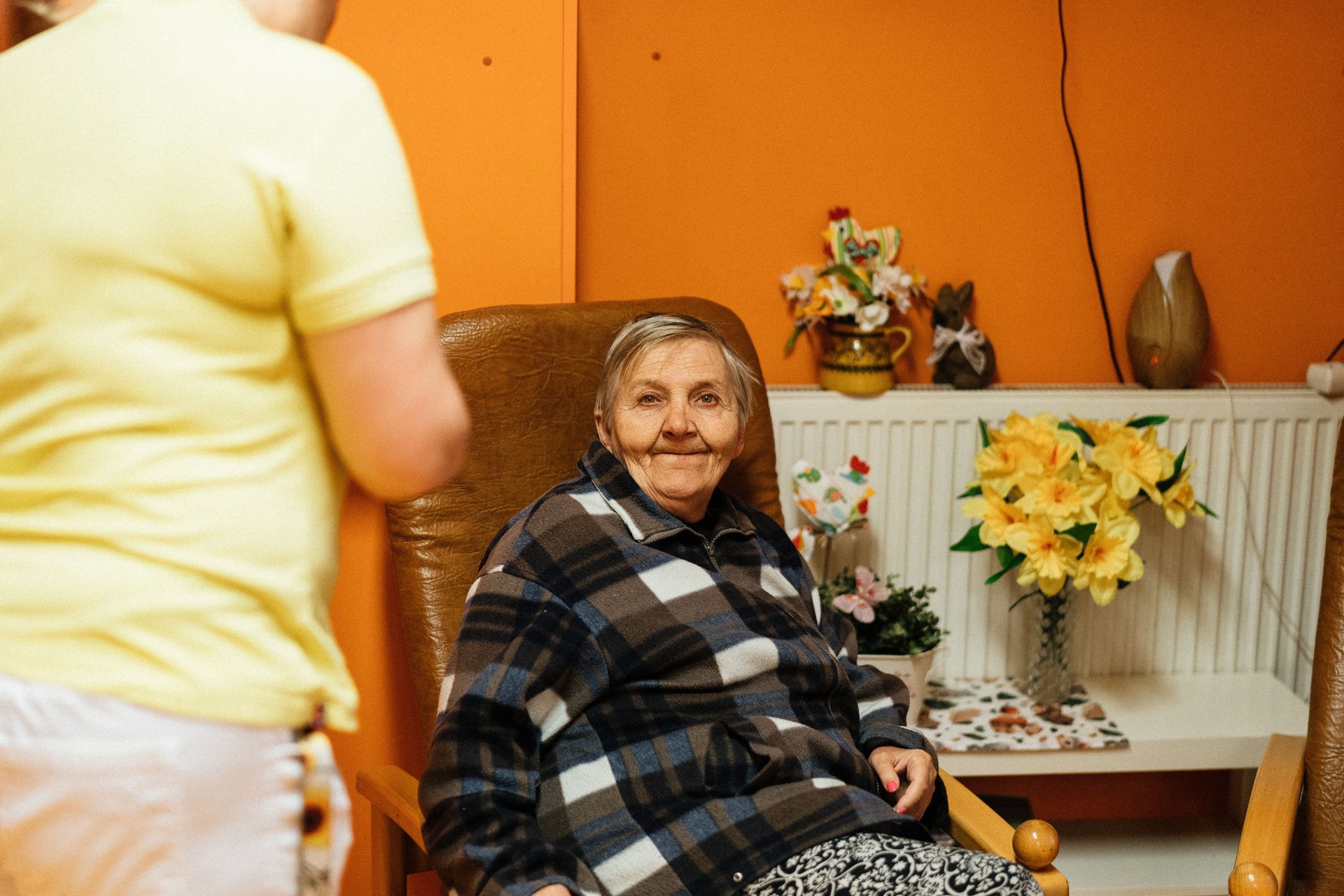
A written assessment gives you important information.
Living with someone teaches you more.
During the first day, pay attention to how the resident actually transfers, eats, drinks, toilets, communicates, asks for assistance, responds to caregivers, sleeps, and navigates the new environment.
Watch for confusion, anxiety, fall concerns, unexpected nighttime needs, medication-related concerns, or care needs that differ from what was anticipated.
If what you observe differs significantly from what was expected, address it promptly according to your care-planning and regulatory requirements.
13. Watch Closely During the First Week
The first day doesn’t tell you everything.
A resident may behave very differently once family leaves.
Someone who appeared independent during an assessment may need more assistance in an unfamiliar environment.
A person with dementia may experience increased confusion.
Another resident may initially refuse meals.
Someone else may become much more social than the family expected.
The first week is an opportunity to learn.
Instead of simply assuming:
“This is how they are,”
ask:
“Is this typical for them, or is this part of the transition?”
14. Communicate Proactively With the Family
Families shouldn’t have to spend the first few days wondering:
“Is Mom okay?”
When appropriate, consider giving the authorized family contact an update during the early transition.
It doesn’t need to be lengthy.
Something as simple as:
“Mom ate well at lunch, joined us in the living room this afternoon, and is resting now. We’re still learning her routine, but she’s settling in.”
can mean a great deal to a worried family member.
Communication should follow the resident’s preferences, authorized contacts, and applicable privacy requirements.
15. Don’t Only Call When Something Goes Wrong
If every phone call from your number means a fall, medication problem, or hospital transfer, families may begin to dread seeing your name appear on their phone.
When appropriate, communicate positive moments too.
Dad participated in an activity.
Mom loved dinner.
She sat outside in the sunshine.
He connected with another resident.
Those small updates can help families feel connected to their loved one’s new life.
16. Revisit the Care or Service Plan
The resident you assessed before move-in and the resident you’re now caring for may not look exactly the same.
Use what you learn after admission to make sure the resident’s care or service plan accurately reflects their needs, preferences, and routines, consistent with the requirements applicable to your setting.
If care needs are significantly different from what was represented before admission, address that early.
Don’t allow a mismatch to continue until it becomes a crisis.
17. Address Problems Early
Maybe the resident needs more assistance than expected.
Maybe they’re not eating.
Maybe nighttime behaviors are more significant than the family realized.
Maybe a medication issue needs clarification.
Maybe another resident interaction isn’t going well.
Early problems don’t necessarily mean the placement has failed.
But ignoring them rarely makes them easier.
Document appropriately, communicate with the right people, involve necessary health-care professionals, and update the care approach when needed.
18. Check In With the Family After the First Week
Once the initial rush has settled, consider a deliberate check-in.
Ask:
“How do you feel the transition is going?”
“Is there anything you’re concerned about?”
“Is there anything you’re hearing from your loved one that we should know?”
And share what you’ve learned.
This gives the provider and family an opportunity to correct misunderstandings before they grow.
19. Remember That Families Are Transitioning Too
A daughter may have cared for her mother every day for three years.
A husband may have promised his wife he would always care for her at home.
A son may live across the country and feel guilty that he isn’t nearby.
Placement can bring relief and grief at the same time.
Understanding that those emotions exist can change how you interpret questions, frequent phone calls, or anxiety during the first few weeks.
Sometimes a family isn’t questioning your competence.
They’re adjusting to no longer being the person responsible for every moment of care.
20. Make Move-In a Process, Not a Day
The goal isn’t simply:
“Resident admitted. Paperwork complete.”
A successful move-in continues after the boxes are unpacked.
Think of the transition in stages:
Before move-in: Understand the resident and prepare.
Move-in day: Create a calm, organized arrival.
First 24 hours: Observe carefully.
First week: Learn routines and identify differences from the assessment.
First few weeks: Refine care, communicate, and help the resident settle.
That approach helps your team move from admitting a resident to welcoming a person.
Keep the Checklist on Hand for Your Next Admission
A consistent process can make it easier for everyone on your team to remember the details that matter.
Download Ovella Living’s New Resident Move-In Checklist for Care Providers and keep a copy available for future admissions.
The checklist includes:
Before move-in preparation
Resident care needs and records
Medication and pharmacy preparation
Personal routines and preferences
Room and staff preparation
Move-in day tasks
First 24-hour observations
First-week follow-up
Space for follow-up items and responsibilities
[Download the New Resident Move-In Checklist]
Frequently Asked Questions
What should a care provider do before a new resident moves in?
Make sure required assessments and admission processes are complete, verify that the provider can safely meet the resident’s needs, gather necessary records, review medications, understand routines and preferences, prepare the room, and make sure the care team knows the information necessary to safely care for the resident.
What information should providers ask families for before move-in?
Information needs vary by setting and state but may include medical history, medications, diagnoses, allergies, emergency contacts, physician and pharmacy information, mobility and transfer needs, dietary needs, cognitive and behavioral information, nighttime needs, preferences, routines, and relevant legal or health-care documents.
How can care providers make move-in easier for someone with dementia?
Learn the person’s routines, preferences, triggers, and calming strategies before arrival when possible. Familiar belongings, a calm environment, consistent caregivers, simple introductions, and avoiding unnecessary overstimulation may help some residents adjust. Care should be individualized to the resident.
How often should a provider contact family after move-in?
There isn’t one communication schedule that fits every resident or provider. Establish expectations with the resident and authorized family contacts before or during move-in and communicate meaningful changes according to applicable requirements. Proactive updates during the early adjustment period can also help build trust.
What if a new resident needs more care than expected?
Address the difference promptly. Determine whether the provider can safely meet the actual needs, complete any required reassessment or care-plan updates, communicate with appropriate parties, and involve health-care professionals when necessary. Follow the requirements applicable to your provider type and state.
The Bottom Line
A successful move-in isn’t measured by how quickly the paperwork gets signed or the boxes get unpacked.
It’s measured by how well your team understands the person who just entrusted their care to you.
Prepare the room.
Prepare the records.
Prepare the medications.
Prepare your staff.
But most importantly:
Prepare to welcome the person.
Learn their routines.
Listen to their family.
Watch carefully during the first few days.
Communicate.
Adjust.
And remember that what feels like another admission on your calendar may feel like an enormous life change to the person walking through your door.
Good care begins before move-in day.
Ovella Living helps families discover and connect directly with residential care providers while helping quality care providers become easier for families to find and understand.
This article is for general educational purposes and is not legal, medical, regulatory, privacy, or compliance advice. Assessment, admission, medication, care-planning, documentation, staffing, and other requirements vary by state, license type, payer, and individual resident circumstances. Providers should follow the requirements applicable to their setting and jurisdiction.
Ready to list your home?
Join Ovella Living and reach families searching for care in your area.