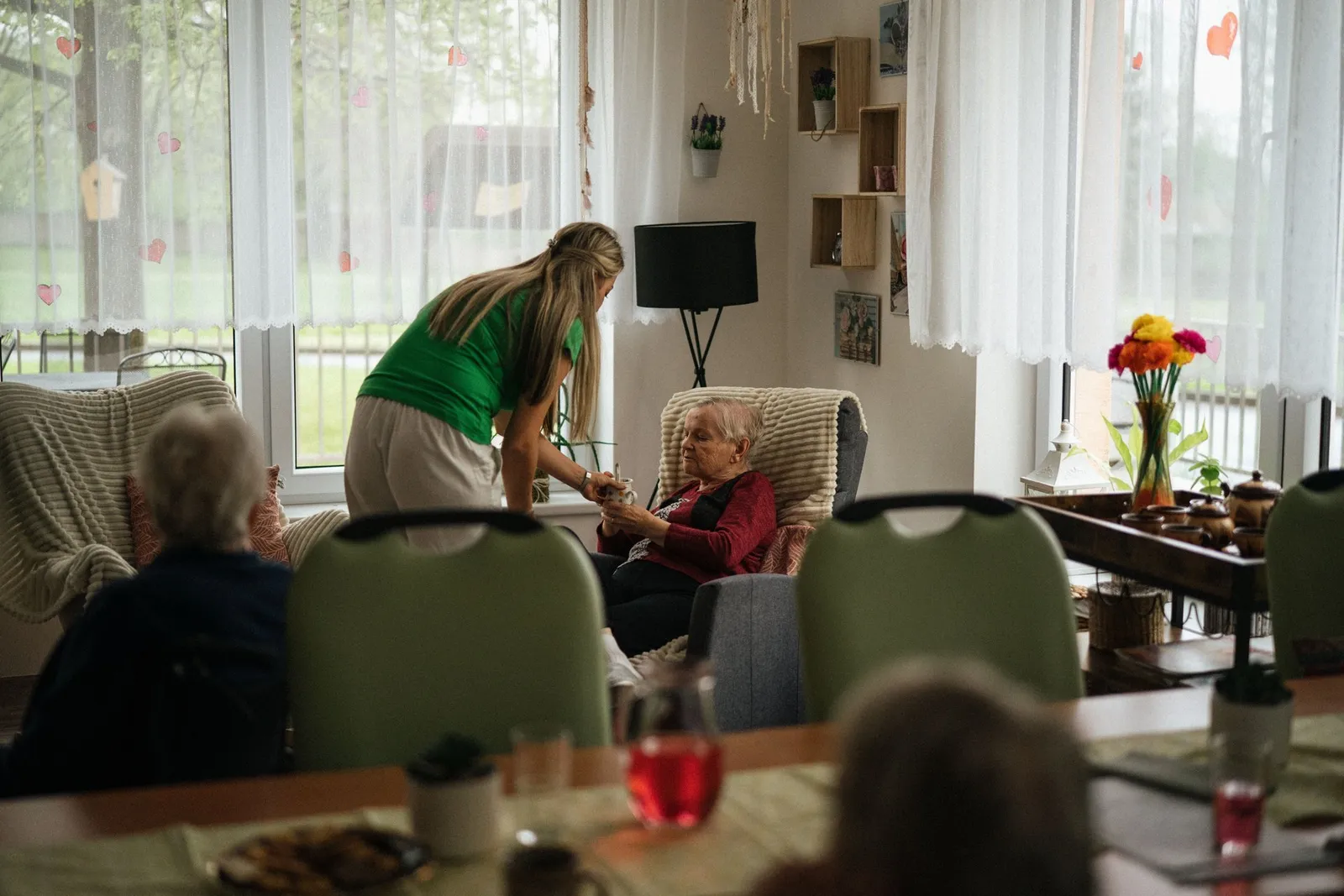
When a family is searching for care, they may look at several homes in a very short amount of time.
At first glance, many provider profiles can start to sound the same.
“Compassionate care.”
“Home-like environment.”
“Family-centered.”
“Quality care.”
Those phrases may all be true, but they do not always help a family understand why one home may be a better fit than another.
A strong care home profile should do more than simply say that you provide good care.
It should help a family answer:
What would it actually feel like for my loved one to live here?
The more clearly your profile answers that question, the easier it is for the right families to decide whether they want to contact you.
Families Want to Understand Who You Are
A care home is not just a building.
The people providing care matter.
Families want to know who is behind the home, what experience you have, and why you chose this work.
Your profile does not need a long biography.
But a few specific details can make the home feel more personal.
For example:
- How long have you worked in caregiving?
- Why did you open your home?
- What kind of residents do you enjoy caring for?
- What experience does your team have?
- Is caregiving part of your family history?
- What matters most to you about the way residents are treated?
Families are trying to decide whether they can trust you with someone they love.
Let them see the person behind the provider profile.

Families Want to Know What Kind of Care You Provide
Do not assume families understand what your home is equipped to handle.
Be clear about the care you provide.
Depending on your home, that might include:
- Assistance with bathing and dressing
- Medication support
- Mobility assistance
- Transfers
- Toileting support
- Dementia care
- Hospice support
- Specialized diets
- Behavioral support
- Nighttime assistance
- Nurse delegation
- Higher-acuity care
Do not list services that you do not actually provide.
The goal is not to look like you can do everything.
The goal is to help the right family recognize:
“This provider may be able to care for my mom.”
Families Want to Know What Makes Your Home Different
This is where many provider profiles become too generic.
If five homes all say they provide “loving, compassionate care,” the family still has no reason to remember one over another.
Ask yourself:
What is genuinely different about our home?
Maybe it is:
- Your cultural background
- Languages spoken in the home
- Home-cooked meals
- A peaceful rural setting
- A large garden
- A quiet atmosphere
- Experience with dementia
- Experience with mobility needs
- Strong family communication
- A very small number of residents
- A particular style of caregiving
- A warm family environment
- Years of experience
Specific details are easier to remember than broad promises.
Instead of:
“We provide personalized care.”
Try something like:
“We are a small, quiet home with experience supporting residents with dementia and mobility needs.”
That immediately tells a family more.
Families Want Clear, Current Photos
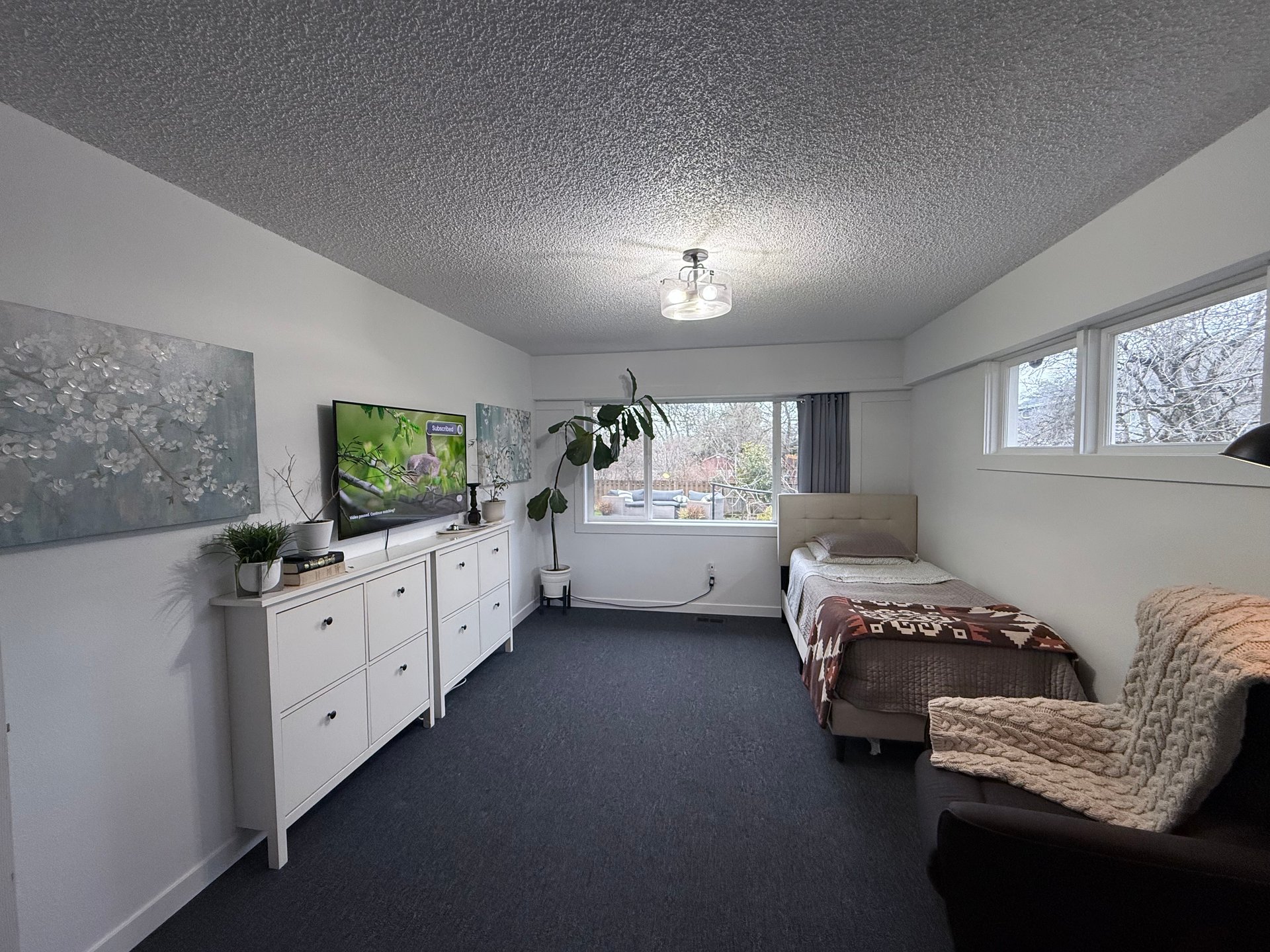
Photos are one of the most important parts of a provider profile.
Families may decide whether to keep looking at your profile based on the photos before they read a single paragraph.
Your photos should help them picture daily life in the home.
Include clear photos of areas such as:
- The exterior of the home
- Living room
- Dining area
- Resident bedrooms
- Bathrooms, when appropriate
- Outdoor spaces
- Garden or patio
- Common areas
If your home changes, update the photos.
Old furniture, outdated bedrooms, or photos taken before major improvements can make a home look very different online than it does today.
That can work against you.
Your photos do not have to look like a magazine.
They should be clear, current, bright, and honest.
Families Want to Understand the Atmosphere
Care is important, but so is the environment.
Some residents thrive in an active, social home.
Others prefer a quieter setting.
Some families may want a home where meals and activities are very communal.
Others may be looking for a calm environment with fewer residents and less stimulation.
Your profile can help families understand your home’s personality.
You might describe it as:
- Quiet and peaceful
- Active and social
- Family-oriented
- Structured
- Relaxed
- Multicultural
- Faith-friendly
- Outdoors-focused
- Cozy and traditional
- Bright and modern
Do not try to appeal to everyone.
The better your profile reflects the real home, the more likely you are to attract families who are actually a good fit.
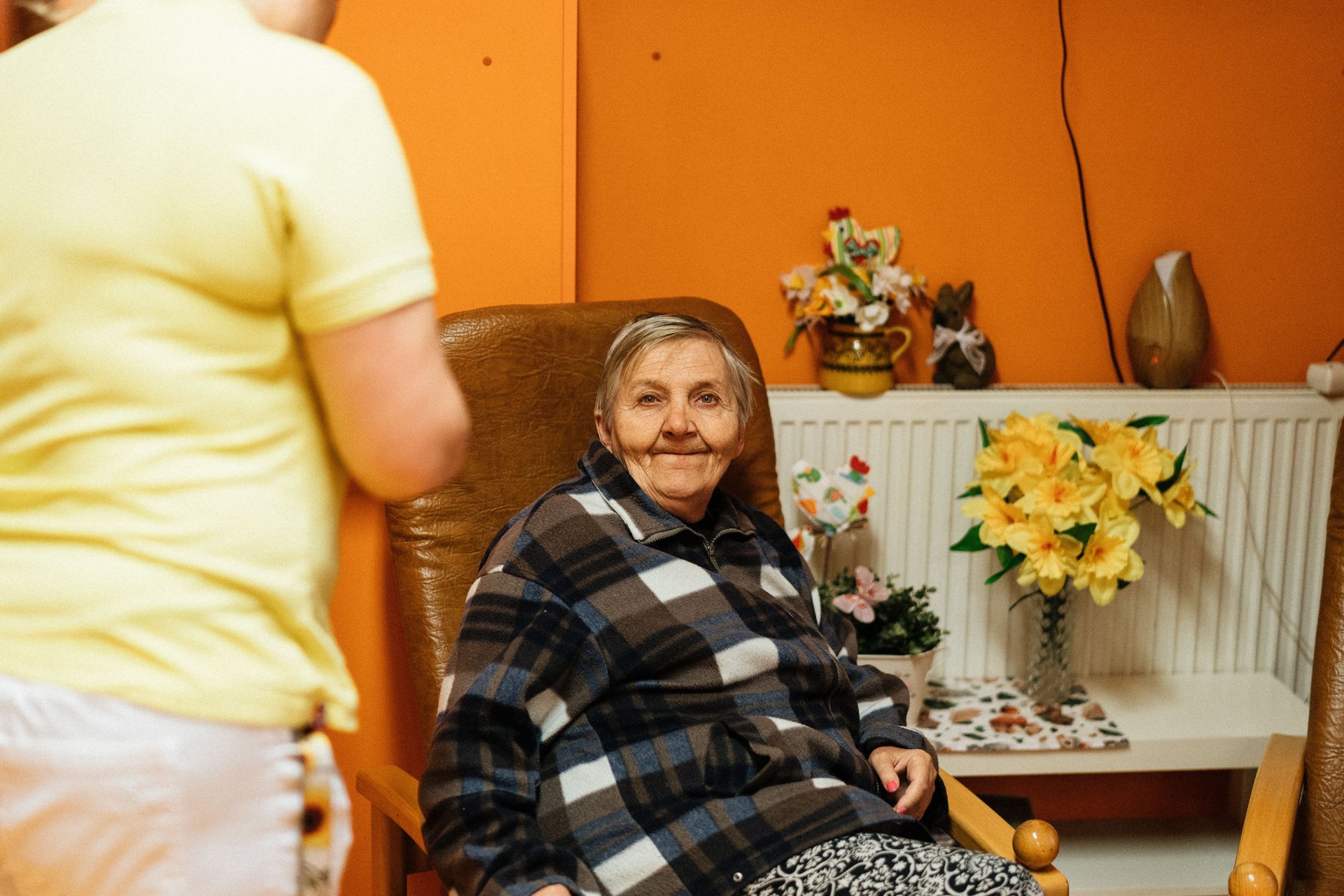
Families Want to Know Who You Are Best Equipped to Care For
This is one of the most useful things you can communicate.
What kind of resident is most likely to do well in your home?
For example:
“We work especially well with residents who need assistance with mobility and personal care but still enjoy participating in family-style meals.”
Or:
“Our home has experience caring for residents with dementia who benefit from a small, calm environment.”
That helps families understand fit much more clearly than a long list of general services.
It can also save you time by reducing calls from families whose care needs may not match your home.
Families Want to Understand Daily Life
Families are not only thinking about medical or personal-care needs.
They are imagining their loved one’s day.
What will mornings look like?
Where will they eat?
Will they have people to talk to?
Will they be able to sit outside?
What kinds of activities are available?
You do not need to create an hour-by-hour schedule.
But describe enough of daily life to help families picture it.
That may include:
- Family-style meals
- Outdoor time
- Music
- Games
- Television or movies
- Holiday celebrations
- Walks
- Gardening
- Religious services or activities
- Individual hobbies
- Quiet time
The details that seem ordinary to you may be exactly what makes a family feel comfortable.
Families Want to Know About Food

Food matters more than providers sometimes realize.
Meals are part of daily comfort, routine, culture, and quality of life.
If you are proud of your meals, say so.
Mention things like:
- Home-cooked meals
- Cultural or traditional foods
- Special diets
- Resident preferences
- Family-style dining
- Fresh ingredients
- Favorite meals
If food is one of the strengths of your home, do not bury it.
Families may remember that.
Families Want to Know About Communication
One of the biggest concerns families have after placing a loved one in care is:
Will I know what is happening?
Your profile can help address that concern.
If communication is one of your strengths, say so.
You might mention that you:
- Keep families updated about significant changes
- Communicate regularly
- Encourage family involvement
- Are available for questions
- Work closely with families during transitions
Do not promise a communication schedule you cannot realistically maintain.
But if you prioritize keeping families informed, that is worth including.
Families Want to See Reviews
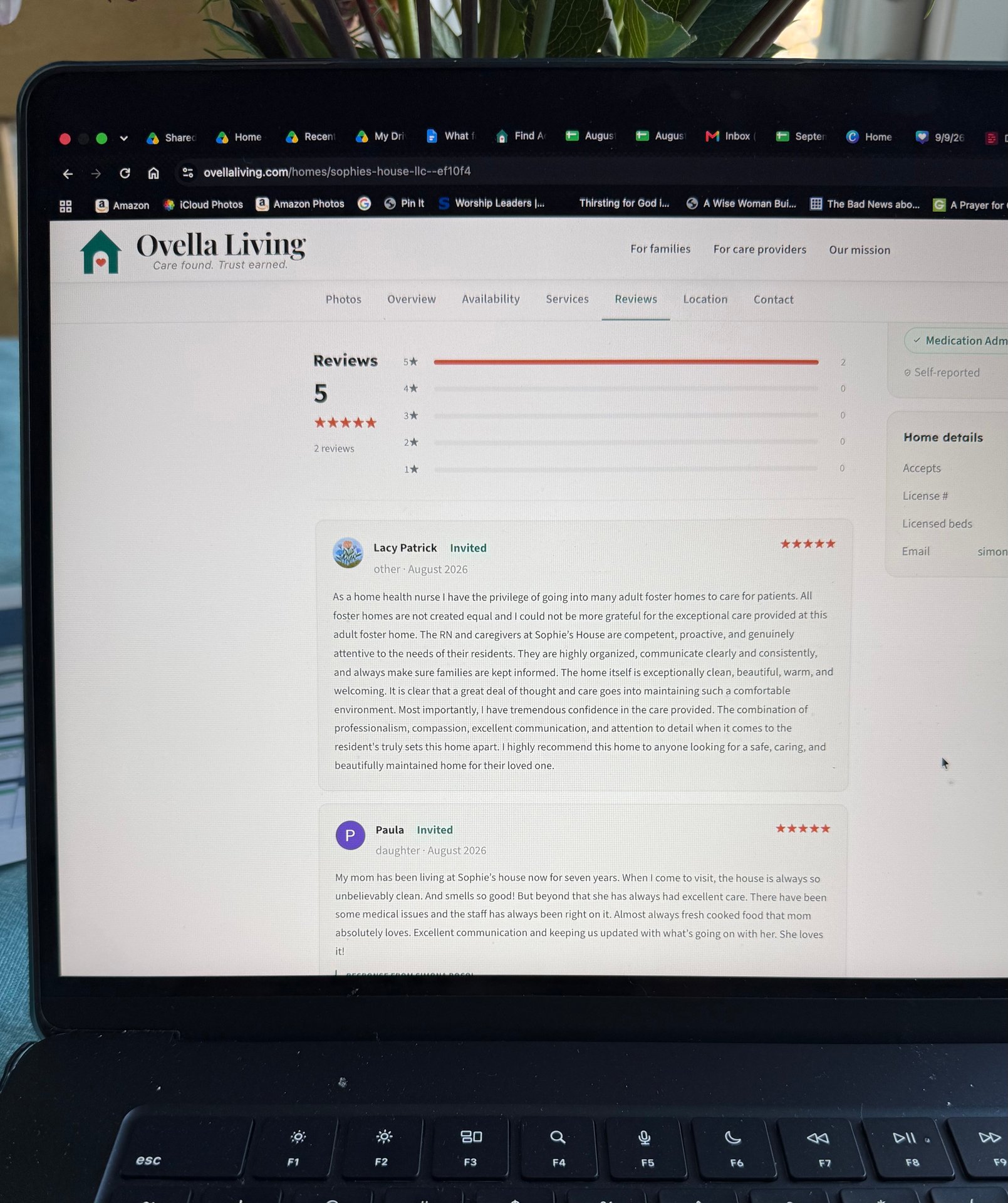
Reviews allow families to hear from people who have experienced your care.
A provider can say:
“We treat residents like family.”
But when another family describes feeling supported, informed, and confident in the care their loved one received, that can carry more weight.
Ask families for honest reviews at natural moments.
Over time, those reviews can become an important part of your provider profile.
Families Want to Know Your Location
Location matters.
Families may be considering:
- How far the home is from their house
- Whether children or grandchildren can visit easily
- Proximity to doctors or hospitals
- Whether the neighborhood feels familiar
- Whether the setting is urban, suburban, or rural
Make sure your location is accurate and easy to understand.
If there is something especially appealing about your location, mention it.
For example:
- Quiet neighborhood
- Near a hospital
- Close to shopping
- Rural setting
- Near parks
- Convenient access from a major road
Families Want to Know If You Have Availability
When a family is searching urgently, availability matters.
Keep it current.
If your profile says you have an opening when you do not, the family may become frustrated.
If you have an opening but your profile says you are full, you may miss an opportunity.
A current profile makes the process easier for everyone.
Families Want Clear Contact Information
This sounds simple, but it matters.
Make sure families can easily see:
- Your phone number
- Preferred contact method
- Email, if applicable
- Location
- Whether tours are available
- Any instructions for contacting you
Do not make families work to figure out how to reach you.
The easier it is to contact you, the more likely they are to follow through.
What Should You Avoid in a Care Home Profile?
A few common mistakes can make a profile less useful.
Try to avoid:
Being too generic.
“Compassionate care” alone does not tell families enough.
Using outdated photos.
Families want to know what the home looks like now.
Writing only about yourself.
Your experience matters, but families also need to understand what life will be like for their loved one.
Listing every possible service.
Only describe care you are actually equipped and authorized to provide.
Leaving information incomplete.
Missing photos, vague descriptions, or outdated contact information can make families move on.
Trying to appeal to everyone.
A clear profile helps the right families find you.
How Can You Improve Your Care Home Profile Today?
You do not need to rewrite everything at once.
Start with a quick review.
Ask yourself:
1. Do our photos represent the home today?
2. Does our description explain what makes us different?
3. Can families quickly understand the care we provide?
4. Does the profile explain who we are best equipped to care for?
5. Is our contact information correct?
6. Is our availability current?
7. Do we have reviews from families who have experienced our care?
8. Can someone reading the profile picture what it would feel like to live here?
If the answer to several of those questions is no, you have a good place to start.
Frequently Asked Questions
What should I include in an adult family home profile?
A strong profile should include clear photos, services, care specialties, provider experience, location, contact information, availability, and specific details that help families understand what makes the home unique.
How long should a care home profile description be?
It should be long enough to answer the family’s main questions without becoming difficult to read. Clear, specific information is more valuable than a very long description filled with general marketing language.
What photos should I include in my adult family home listing?
Include current photos of the exterior, common areas, dining space, bedrooms, and outdoor spaces. Choose photos that accurately show what a family will see when they tour the home.
What makes a care home profile stand out?
Specificity. Clearly explaining your experience, specialties, environment, personality, and approach to care helps families remember your home.
Should I list every service my care home can provide?
Only list services you actually provide and are equipped to support. Accurate information helps families determine whether your home is an appropriate fit.
Do family reviews matter on a provider profile?
Yes. Reviews can help families understand the experiences of others and may increase confidence before they contact a provider.
Should I update my profile even when my home is full?
Yes. Keeping your profile current while you are full allows you to maintain visibility and build trust before your next opening.
The Bottom Line
A care home profile is more than an online listing.
For many families, it may be their first introduction to you.
Make it useful.
Show them the home.
Tell them who you are.
Explain what kind of care you provide.
Be specific about what makes your home different.
Keep your information accurate.
And help families imagine what life could actually look like for their loved one in your care.
You do not need to sound like everyone else.
You need to give the right family enough information to recognize the right fit.
Ovella Living helps care providers showcase their homes, share their services and specialties, build trust through reviews, and connect with families searching for care.
This article is for general educational and marketing purposes. Providers should make sure all information used in advertising or provider profiles is accurate and consistent with applicable licensing requirements and the services they are authorized to provide.
Ready to list your home?
Join Ovella Living and reach families searching for care in your area.